GS Federal Insights
If AI Does the Beginner Work, How Do Beginners Become Experts?
AI can help beginners produce polished work quickly, but organizations still need to build the underlying judgment and competence that turn beginners into experts.

When I went through Army Individual Training to become a forward observer, I had to become competent at land navigation before I could rely on GPS. That skill did not end with training. In the 82nd Airborne, I was constantly attached to infantry units. I had to know where I was at all times because other people were relying on me.
GPS in the 1990s was not what it is today. It could be finicky and inaccurate. Sometimes it simply did not work. I remember navigating in the jungles of Panama, where the canopy made the technology almost useless. A GPS was still a powerful tool, but I had to recognize when it was giving me bad information. I also had to be able to continue without it.
That experience comes to mind when I think about how quickly basic skills disappear once a better technology arrives. How many people today could use a Rand McNally road atlas to travel across several states? How many could receive a set of directions, remember five or six turns, and navigate by a handful of landmarks? Most people no longer need to do those things.
That is not necessarily a problem. Modern navigation technology is reliable. It is also better than most people will ever be at finding the fastest route. I could never become as competent as a GPS at getting somewhere. The technology has saved time and reduced frustration for millions of people. We should not preserve every old skill simply because it was once necessary.
Still, the land-navigation example raises an important question. Which basic skills can safely disappear? Which ones are still necessary to understand what the technology is doing? More importantly, which skills help us recognize when it is wrong?
Artificial intelligence puts us in the middle of that same question. AI can now do much of the work that used to be assigned to beginners. It can prepare a first draft. It can summarize research and use it to build a presentation. It can turn a rough idea into something that looks professional. In many cases, the result will be better than what a beginner could produce on their own. Heck, we are at the point where it can produce work that is better than what an expert produces. I wrote about that last week.
That is a real benefit. I do not believe people should be forced to work inefficiently just because previous generations had to do so. We should use AI to increase what people can accomplish. We should also use it to improve the quality of their work. The concern is that beginner work was never only about the product. It was also part of how people became competent.
A person learned to write by writing. A person learned to evaluate a source by reading enough weak sources to recognize the difference. A person learned to explain a difficult concept by first explaining it poorly. Then they received feedback and tried again. The early work was often slow, but the struggle had a purpose. It built the judgment that later allowed someone to work independently. AI can remove much of that struggle. It can also create the appearance of competence before competence exists. What AI produces SOUNDS right. It is typically professional and logical. But if the social media age has taught us anything, it is that confidence is not correctness. The difference can be hard to detect.
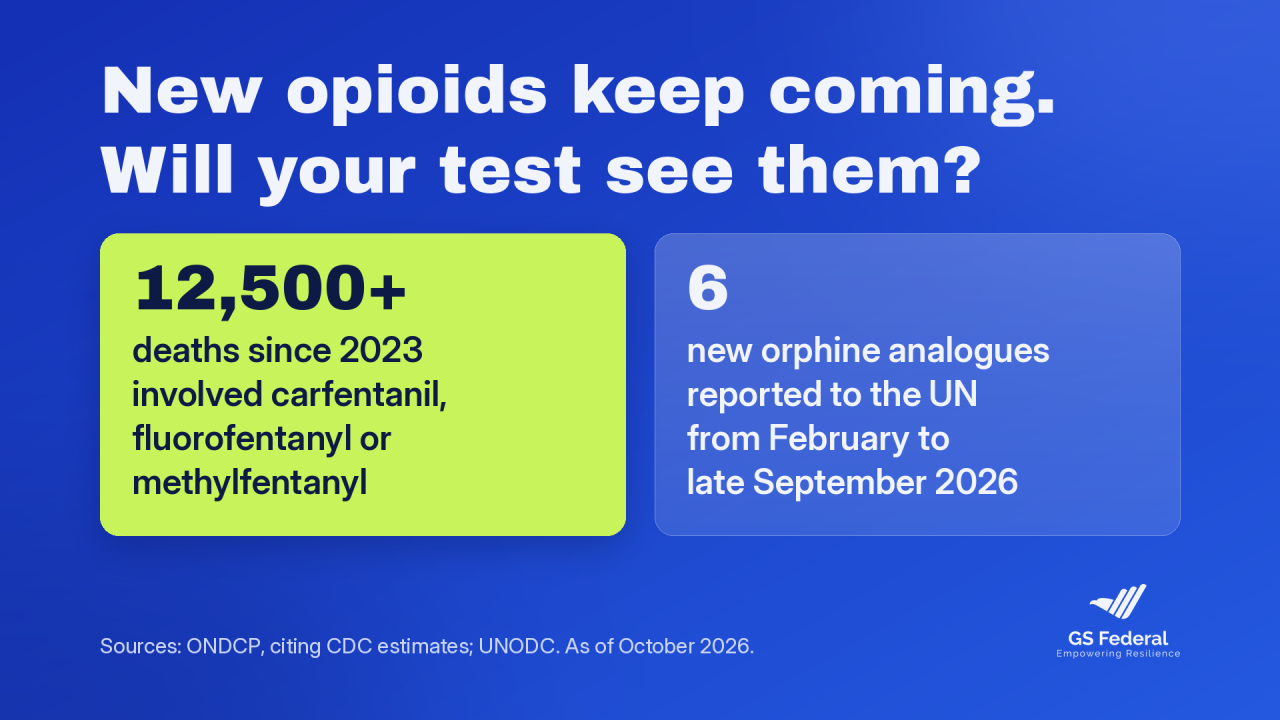
This matters in behavioral health and prevention. A new professional may use AI to create a polished product about drug statistics, emerging facts, or changing trends. The wording may sound confident. The presentation may look credible. Yet the person may not understand what the statistic actually measures. They may not know whether the source supports the conclusion. They may not recognize that a national trend does not automatically describe what is happening locally. Then there is the ol’ AI “hallucination.” How will they know when it simply makes something up?
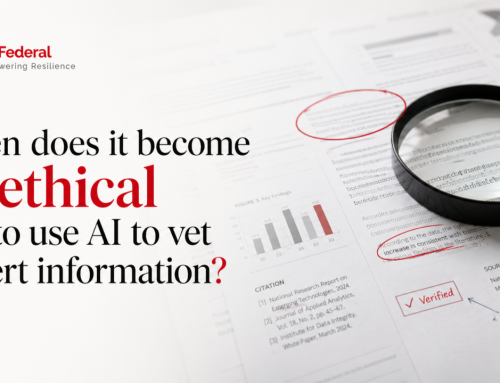
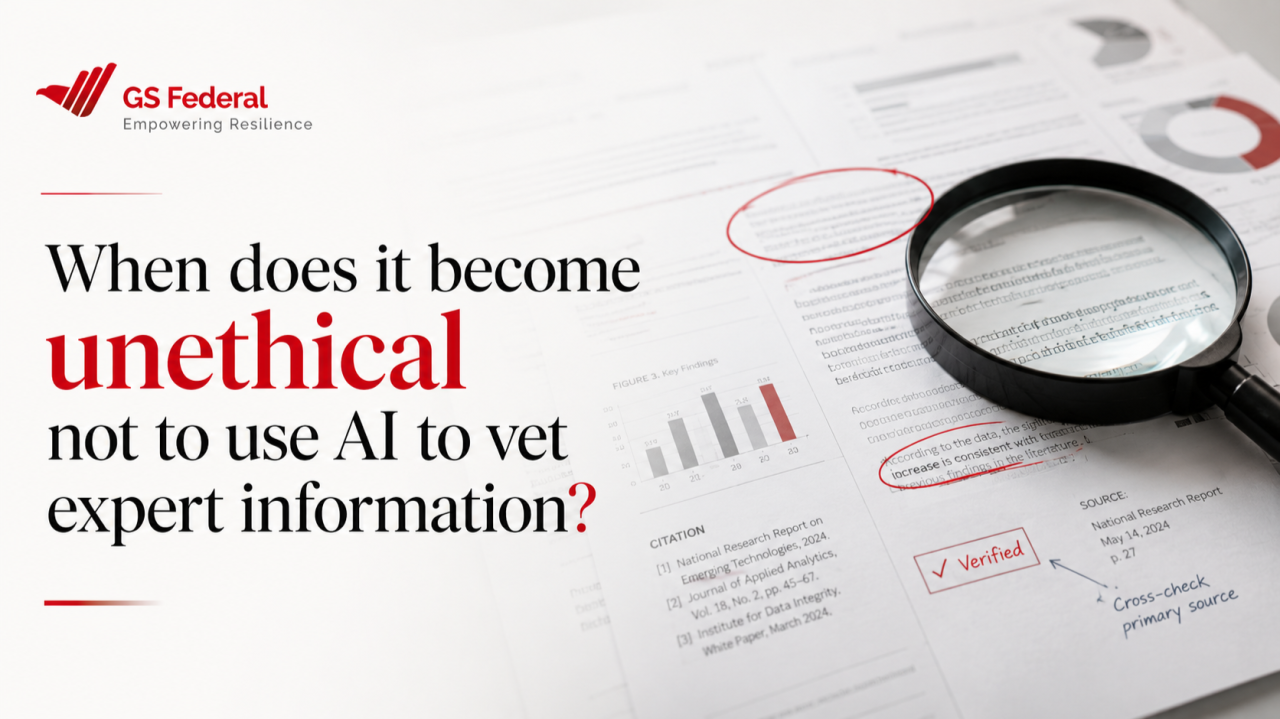
A statistic can be correct and still be used incorrectly. A fact can be true and still be presented without the context people need to understand it. If the person using AI does not understand the underlying concept, they may not see any of those problems. This is why “human review” is not enough by itself. The human has to know what to review. A beginner who cannot explain the concept without AI may not be prepared to judge the explanation AI created.
The answer is not to keep beginners away from AI. That would be a mistake. I have already watched the knee-jerk reaction that comes from fear of changing times. AI is becoming part of professional work, and using it well is a skill in its own right. The better answer is what I would call “competence before dependence.” A person should understand the basic skill first. Then AI can complement that skill and expand what the person is able to do. First the map and compass. First the pace count. Then the GPS.
I see the same issue in my own work today. I use AI to code and build websites. It allows me to do things I could not have done on my own. At the same time, I know there are limits to my understanding. I do not always know where my vulnerabilities are. I may not know what cybersecurity protections are missing from what I built. But the solution is not for me to stop using AI. The solution is to recognize where my competence ends. That is where I bring in a cybersecurity expert. I get feedback. I learn what I missed. Then I use that knowledge to make better decisions the next time.
That is also why mentors, educators, and supervisors become more important as AI becomes more capable. Beginners cannot always identify the gaps in their own understanding. Someone has to help them learn the underlying concepts. Someone has to judge whether they are competent enough to rely on AI more heavily. Someone also has to show them how the technology can increase their abilities without replacing the thinking they still need to develop.
This requires those leaders to understand AI as well. A supervisor who does not understand the technology may prohibit useful tools out of fear. Another may allow AI to take over too much because the output looks impressive. Neither approach creates the right balance.
In behavioral health and prevention, the foundation should remain clear. Professionals need to understand the concepts they are communicating. They need to know enough to recognize when information is incomplete or misleading. They also need to be able to explain the issue to another person in a way that is accurate and useful. Once that competence exists, AI can make them far more effective. It can help them work faster and consider new approaches. It can extend their capabilities beyond what would have been possible before.
Managers should not confuse a polished AI-assisted product with proof that someone understands the work. Competence still has to be demonstrated. After that, AI should not be treated as cheating or as a shortcut to avoid. It should be treated as a tool that allows a capable person to do more. Managers should work to understand AI well enough to support those in the field. They also need to set boundaries through policy and guidance. To do that, managers themselves need to become competent with AI.
We do not need to bring back paper road atlases for daily travel. We also do not need people to memorize every turn before they are allowed to use a phone. Technology has made those skills less important, and most of us are better off because of it. The question is whether AI is replacing skills that are no longer needed, or replacing the process through which people learn to think.
That distinction matters. It will determine whether AI helps beginners become experts faster or whether it produces a generation of people who can create impressive work but cannot recognize when the machine has led them in the wrong direction. Right now, we do not know which future we are building. Time will tell, but our choices will shape the answer.
Originally published by Greg Pliler on LinkedIn on July 23, 2026. View the original LinkedIn article.